Spice Rack Organization: Creative Ideas to Try
Spice rack organization should make the jars you use easy to find without exposing them to unnecessary heat or moisture. Matching jars are optional. A clear label, a sensible location, and a system that fits your cooking habits matter more than a display. Start by gathering the spices and measuring the space before choosing storage.
Disclosure: These links open Amazon search results. They are optional browsing suggestions, not verified product reviews or price/availability checks.
Sort what you already have
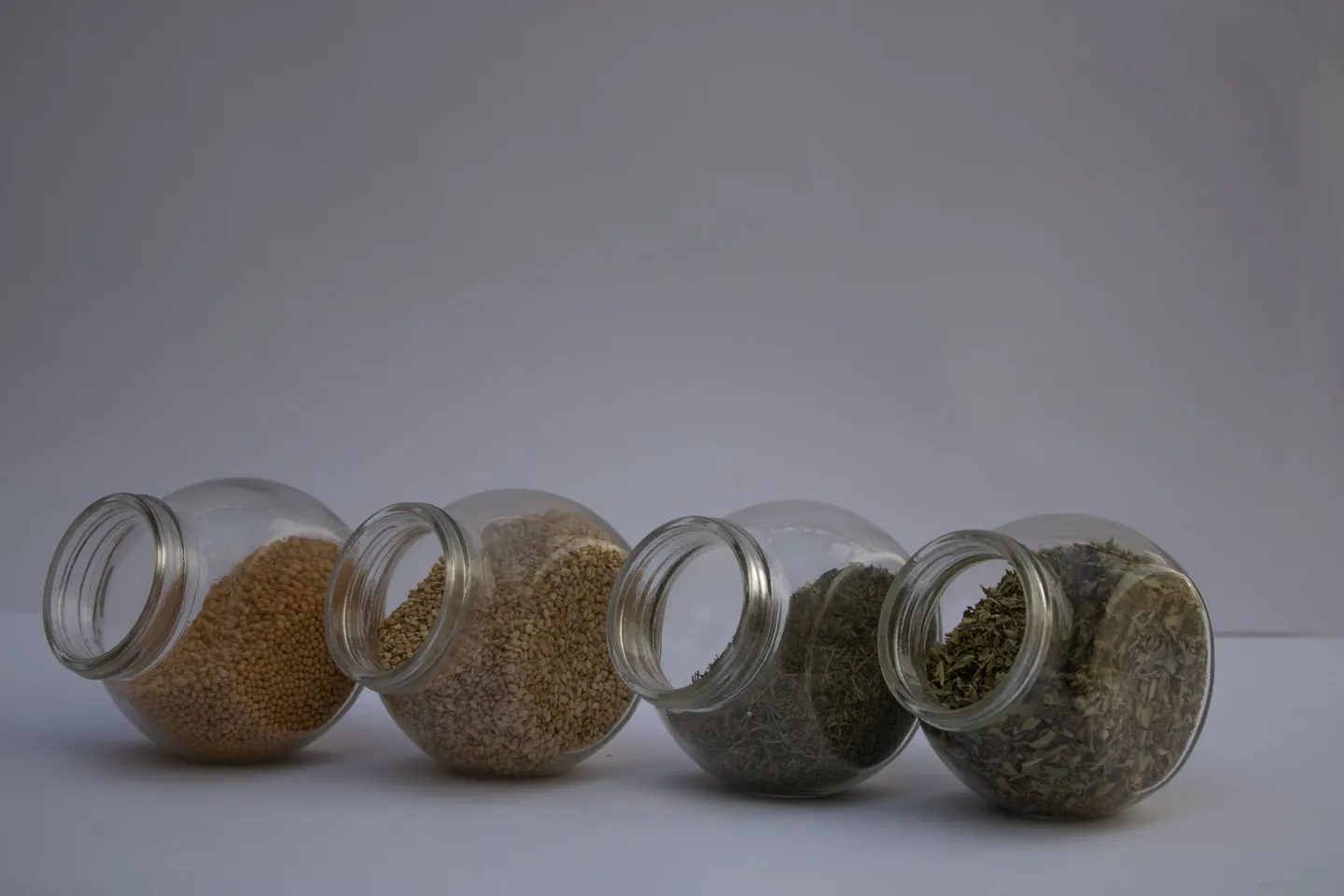
Bring jars, refill packets, and blends together on a clean, dry surface. Separate obvious duplicates and check that lids close properly. Read package dates and storage directions. Discard spices showing mold, pest activity, or moisture contamination rather than transferring them into a fresh-looking jar.
Consider which spices you actually cook with and how much you use. A bulk pack is not automatically a saving if most of it remains unused. Keep a short shopping list instead of buying a replacement whenever a jar disappears behind other items.
Pick one organizing logic
Alphabetical order works when several people share the kitchen and know the spice names. Grouping by task works when you often bake or cook a particular set of dishes. Frequency of use works when a small group of seasonings accounts for most meals.
You can combine these approaches. For example, an illustrative layout could put everyday seasonings at the front and baking spices in a separate small tray. Avoid so many subcategories that returning one jar becomes a puzzle. Make the system easy to explain in one sentence.
Compare storage styles against your measurements
- Drawer insert: measure internal drawer height and check the diameter and length of your jars. Labels must be visible when the drawer opens, and jars should not roll into the mechanism.
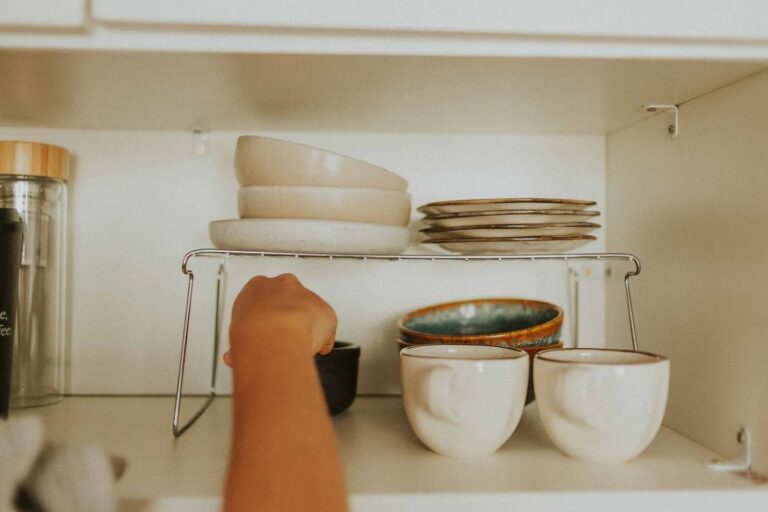
- Tiered shelf: check total height with jars on the top tier. A raised rear row is useful only if labels remain visible and jars can be lifted out.
- Turntable: measure diameter and clearance at the door. Leave enough room to rotate it without striking a neighboring item.
- Door rack: check door thickness, hinge clearance, mounting method, and rated load. Close the door slowly with the rack empty before filling it.
- Magnetic rack or jars: verify that the intended surface is suitable and the product can hold the loaded weight. Keep it away from hot surfaces and appliance vents.
Do not attach jars to a microwave or other appliance simply because the metal holds a magnet. Follow that appliance’s placement and ventilation instructions.
Decant only if it makes the system easier
Original containers retain ingredient information, storage directions, and batch details. Keeping them is a valid option. If you prefer uniform jars, choose food-contact containers with reliable closures and openings wide enough for the measuring tools you use.
Wash and thoroughly dry jars before filling them. Transfer the exact product name and relevant ingredient or allergen information, and keep a record of the original package details. Do not top up an unidentified older spice with a new packet and lose track of both. Decanting is a storage choice, not a way to extend shelf life.
Label where you look
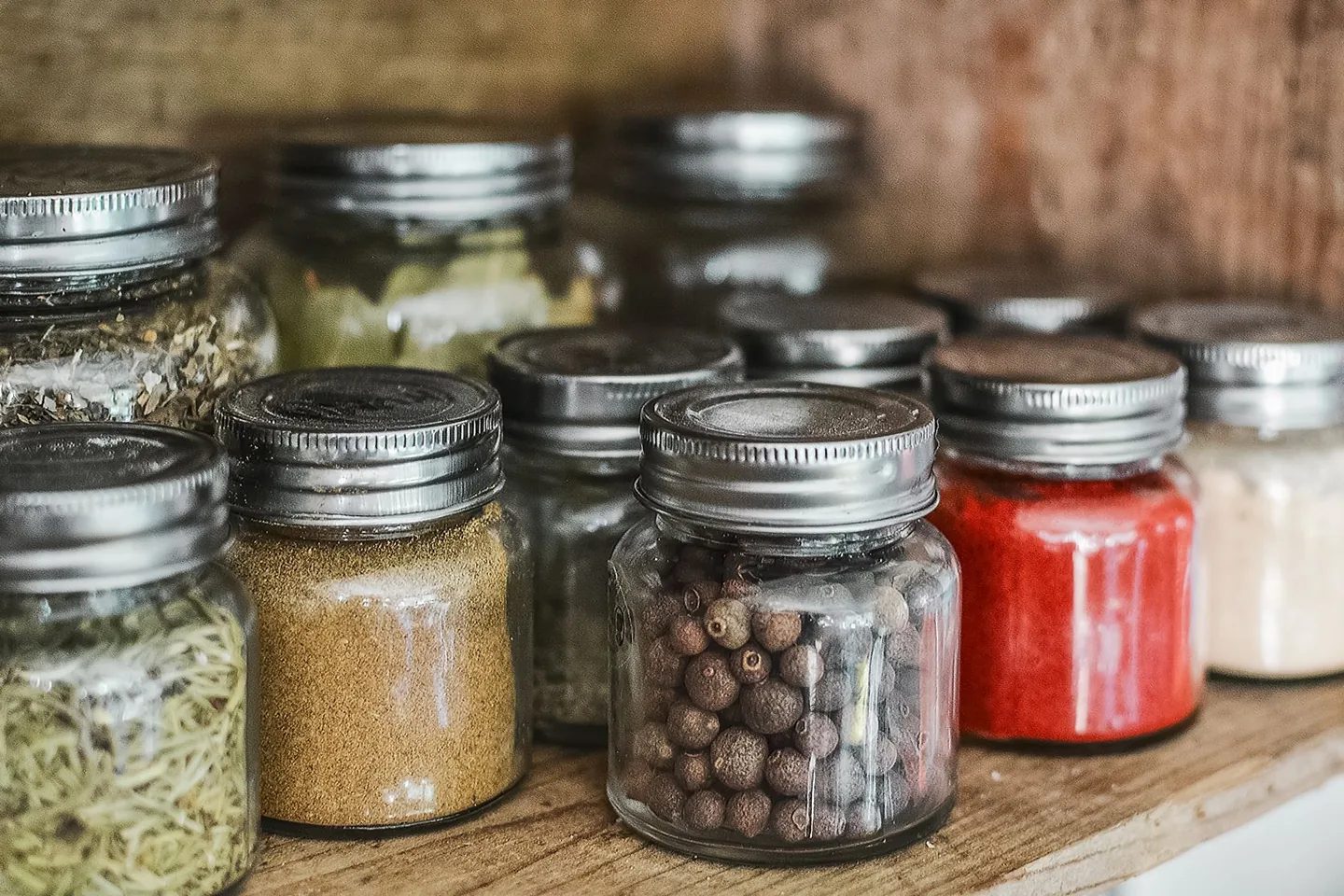
Use lid labels when looking down into a drawer, front labels on a shelf, or both if containers move between the two. Write full names for similar-looking powders and blends. Color alone is not enough to distinguish ingredients.
Removable labels, reusable labels, or a clear piece of tape can all be practical depending on the jar. Test whether the label stays readable and survives the way you clean the container. Include an opened or purchased date if it helps you track stock, while retaining the manufacturer’s date and directions.
Choose a cool, dry location
A rack directly above a steaming pot may be convenient but is not a good default. Follow package storage directions and choose a dry cabinet away from the stove, dishwasher steam, and strong light. Keep jars closed and use a dry spoon rather than shaking them over rising steam.
Use the manufacturer’s guidance for quality and replacement rather than a single timetable for every spice. Aroma can help judge flavor strength, but it is not a test that proves a contaminated food is safe. Buy smaller amounts when a spice is only used occasionally.
Maintain a little space
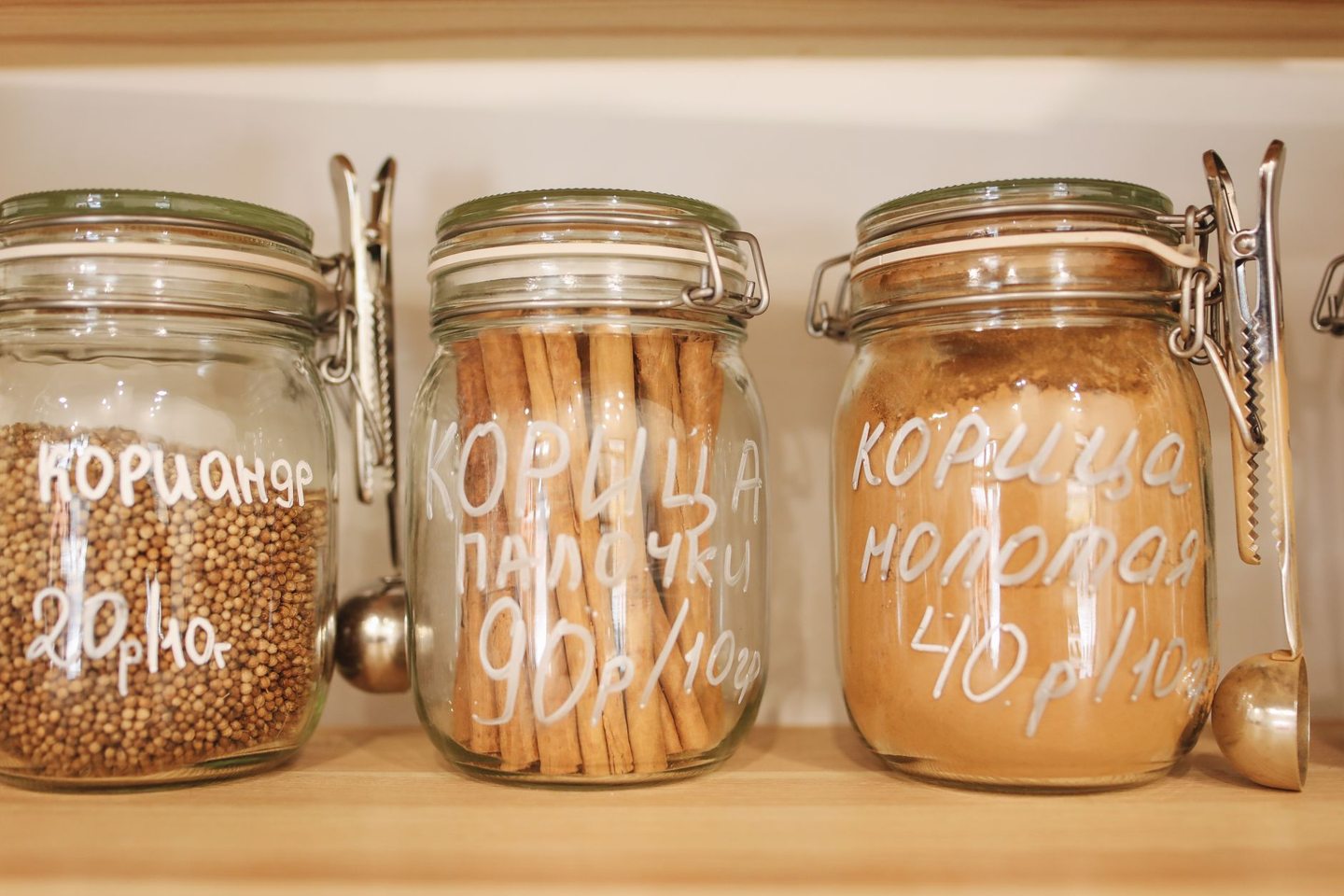
Leave enough room to remove one jar without lifting several others. Put new stock behind older suitable stock, update the shopping list, and return jars to their assigned places after cooking. Review the layout when a frequently used ingredient is hard to reach.
Decorative shelf paper or a color scheme is optional. Keep finishes, paint, and non-food-safe decorations away from food-contact surfaces. A clean, readable arrangement is sufficient; the rack does not need plants, new jars, or a label maker to work.
Use product searches as a fit check
The searches below cover drawer spice inserts, cabinet risers and door racks. Compare jar dimensions, cleaning instructions and mounting requirements with your kitchen. No listed category is a tested product recommendation.
Amazon category searches
Optional browsing links. Check the specific listing, dimensions, materials, instructions, and current terms before buying.
- Drawer spice insert search Search category only. Measure jar heights, drawer depth and closing clearance.
- Cabinet spice riser search Search category only. Check shelf depth, headroom and jar stability.
- Over-the-door spice rack search Search category only. Check door clearance and mounting requirements before buying.
Related reading
- Kitchen Organization Ideas to Maximize Space
- Simple Pantry Organization Hacks for Small Spaces
- Best Small Kitchen Storage Solutions You Need
For another practical approach, see our Spice Rack Organization Tips for Every Kitchen.