Spice Rack Organization for Small Kitchens: A No-Drill Guide
Disclosure: These links open Amazon search results. They are optional browsing suggestions, not verified product reviews or price/availability checks.
Spices are small, but they multiply. A tiny kitchen can easily end up with fifty jars and no way to find the cumin. Here is a straightforward way to sort them, store them and keep them fresh, with no drilling.
The short version
- Check condition and labels; aroma judges quality, not safety.
- Store away from the stove and sunlight.
- Pick one system: alphabetical, by cuisine, or by use.
- Use drawer inserts, risers or door racks.
- Label the top or front so you can read it.
Step 1: Audit what you have
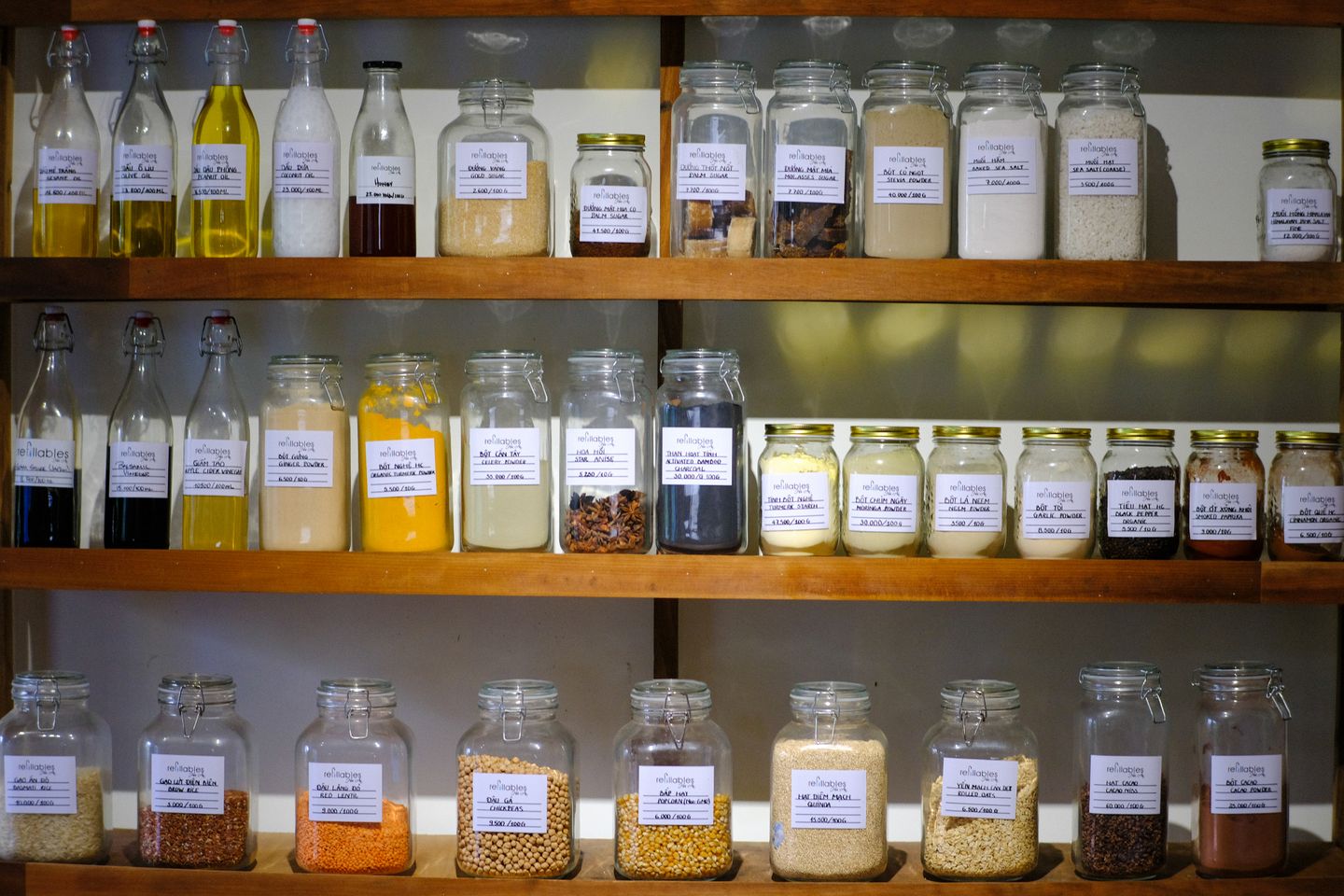
Take every spice out and group duplicates. Check the label and look for moisture, mould, hard clumps or pests; discard affected spices rather than smelling or tasting them to decide safety. For otherwise properly stored dry spices, aroma helps judge flavour strength, not whether pathogens are absent. Quality gradually fades and varies by spice and storage conditions. See Nebraska Extension’s spice quality and safety guidance.
Step 2: Pick the right spot
Heat, light and moisture reduce quality. Use a cool, dark, dry cabinet or drawer away from the stove. Do not shake spices directly over a steaming pan; measure them separately to keep steam out of the container.
Step 3: Choose a system
Alphabetical is simple. By cuisine works if you cook in a few styles, for example Indian, Italian, Mexican. By use (baking, grilling, everyday) works for people who cook the same things on repeat. Pick one and stay with it.
Step 4: Choose a no-drill storage solution
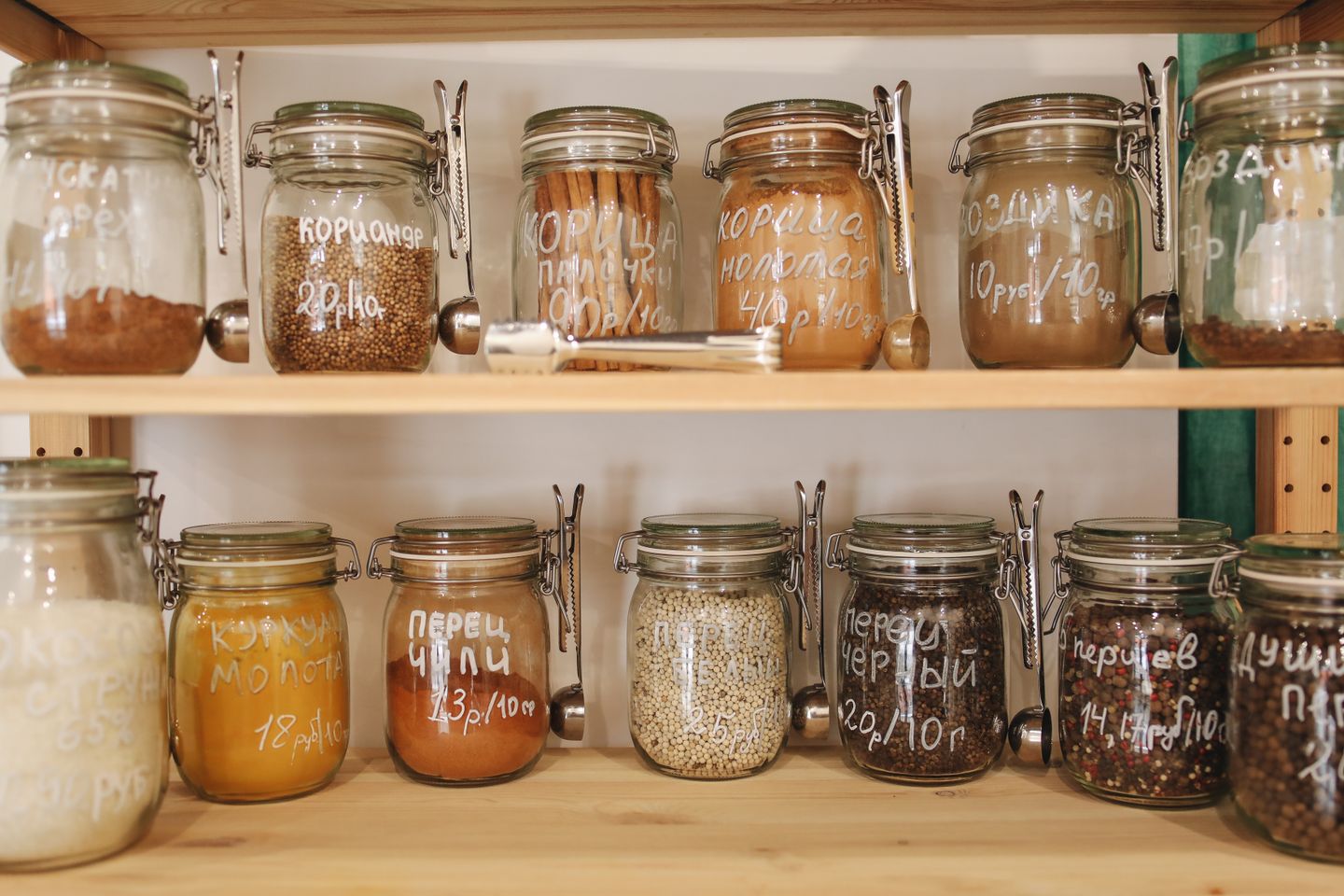
- Drawer: a tiered insert, with jars lying down, label on the lid.
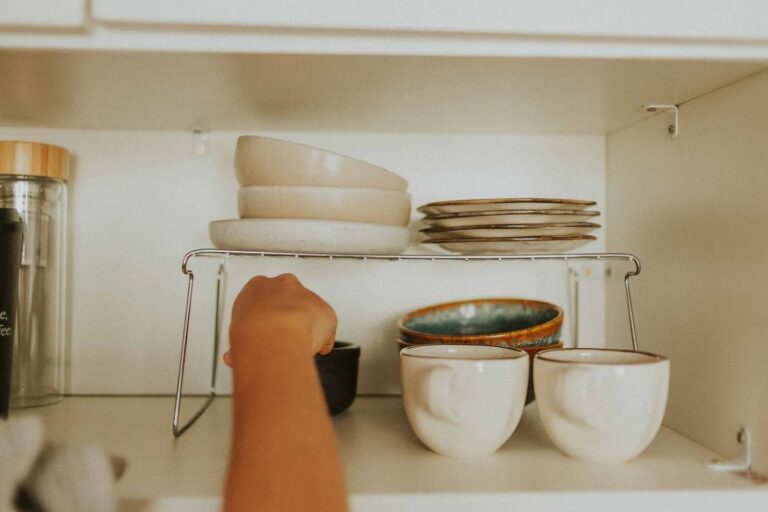
- Cabinet: a two-tier riser or a turntable.
- Cabinet door: an over-the-door rack.
- Very small space: a magnetic tin set on the side of the fridge, if your fridge side is magnetic.
Step 5: Label clearly
Write the name on the lid and the date you bought it. A permanent marker or small labels both work.
Step 6: Refill smartly
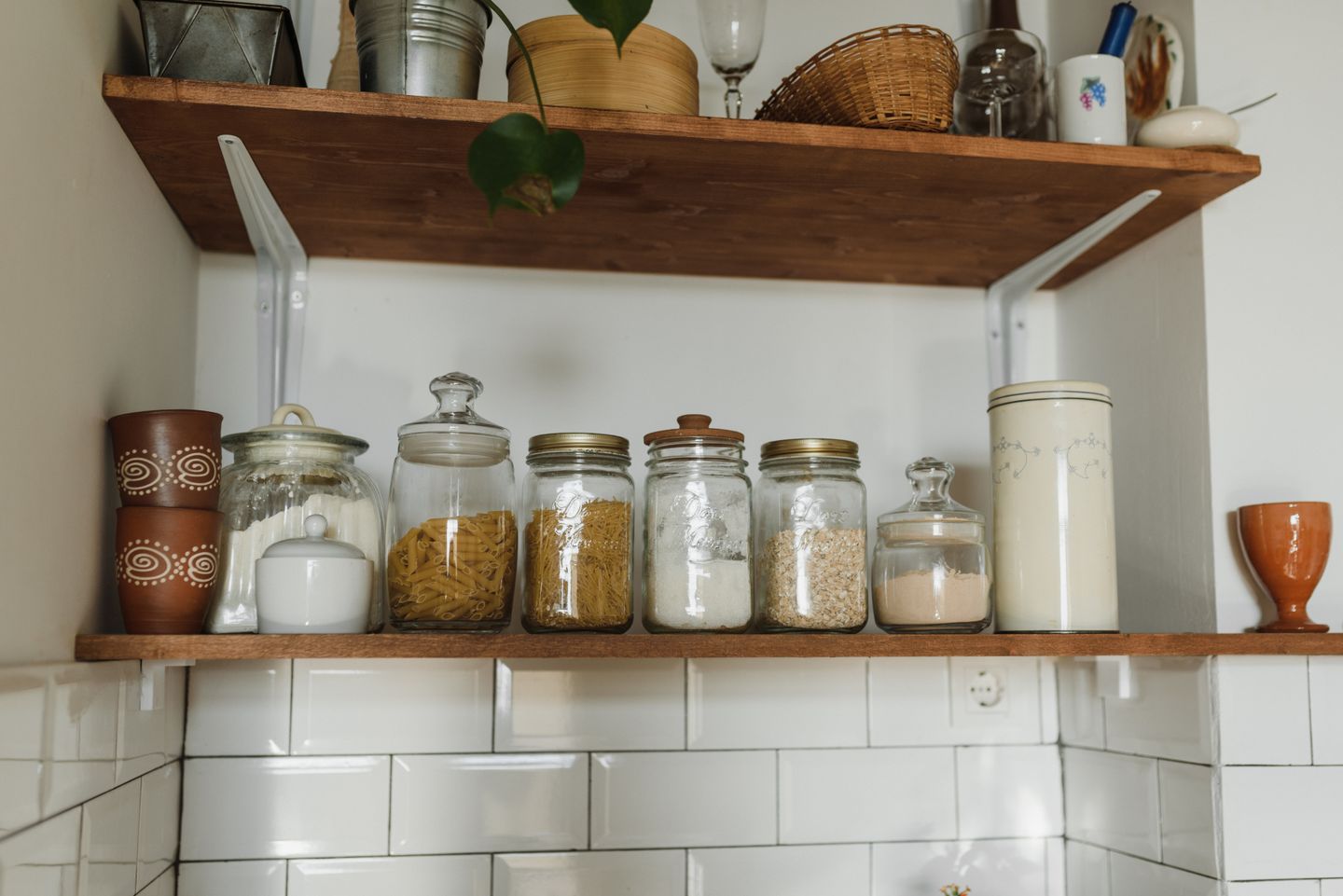
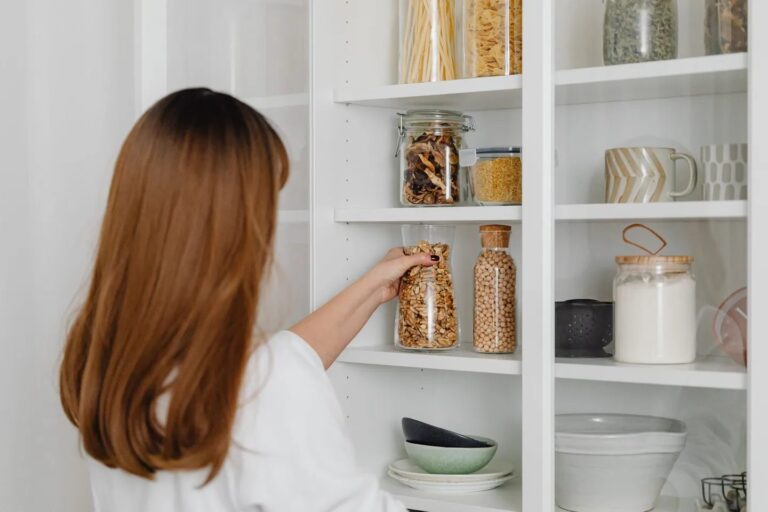
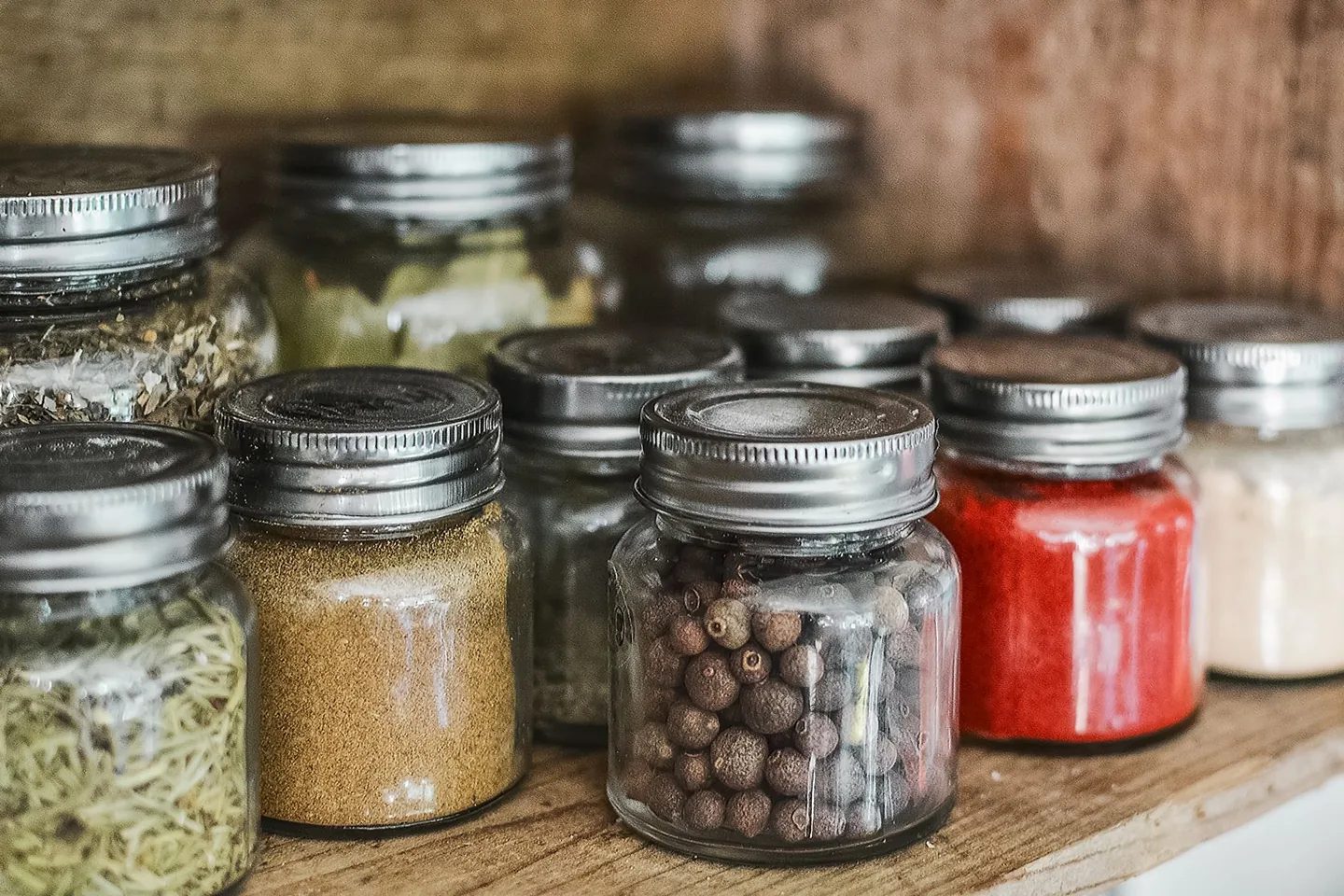
Buy amounts you can use while the flavour is good. Keep spices in their original containers or clean, fully dry, airtight food-safe jars. Preserve the spice name, original label information, date and any allergen or batch details needed to identify the product. Do not combine a damp or contaminated remainder with a fresh refill.
Product ideas to look at (suggestions, not tested)
These are the kinds of products that fit the ideas above. We have not tested them, and the links go to Amazon search results so you can compare sizes, reviews and prices yourself. Measure before you buy.
| What to look for | Why it helps | Link |
|---|---|---|
| Tiered drawer spice insert | Lets you see labels at a glance | See options on Amazon |
| Two-tier cabinet spice riser | Doubles a shelf, no tools | See options on Amazon |
| Over-the-door spice rack | Uses door space, check clearance | See options on Amazon |
| Matching spice jars with lids | Same size means less wasted space | See options on Amazon |
| Magnetic spice tins | For magnetic fridge sides only | See options on Amazon |
A personal kitchen reset plan is coming
We are preparing a small beta for renters: you describe your kitchen (size, problem areas, no-drill limits) and get a step-by-step reset plan with a short shopping list that fits your space. It is not open yet. For now, the guides below cover the same ground.
Frequently asked questions
How long do ground spices last?
They lose flavour over time; follow the product’s best-quality guidance and storage instructions rather than one fixed deadline for every spice. Aroma is a quality check only. Discard spices affected by mould, pests or moisture, and follow any product recall.
Where should I store spices?
In a cool, dark, dry place away from the stove.
How do I organize spices in a drawer?
Lay jars on their side with the label on top, ideally in a tiered insert.
Keep reading
- Simple Pantry Organization Hacks for Small Spaces
- Kitchen Cabinet Organization Tips for Every Chef
- Best Small Kitchen Storage Solutions You Need
- 10 Kitchen Organization Ideas for Small Apartments
This guide is general, research-based advice. We have not tested every product or method mentioned. Check weight limits and instructions on any adhesive or tension product, and follow your lease.