Essential Tools for Bathroom Mold Removal Success
Bathroom mold removal starts with the moisture problem and the decision about who should do the work. A brush and a bottle of spray are not enough for every situation. This guide explains equipment for a limited cleanup on suitable surfaces, when to stop, and why ventilation and repairs matter. It is not a product test or a guarantee that any method will permanently eliminate mold.
Disclosure: These links open Amazon search results. They are optional browsing suggestions, not verified product reviews or price/availability checks.
Decide whether a do-it-yourself cleanup is appropriate

EPA says that a moldy area smaller than about ten square feet can often be handled by a homeowner following its guidance, but size is only one factor. Extensive water damage, sewage contamination, suspected HVAC contamination, hidden growth, or recurring problems call for more assessment and appropriate professional help.
People with mold allergies, immune suppression, underlying lung disease, or chronic respiratory conditions should not participate in mold cleanup, according to CDC guidance. Consult a health professional about personal health concerns. Do not put on a mask and assume it makes a risky situation suitable for you.
Fix the water source first
Check for plumbing leaks, wet seals, condensation, and inadequate extraction. Arrange repairs as needed. Cleaning a stain without resolving the source allows the same problem to return. Do not cover mold with paint or new caulk before the surface has been properly cleaned, dried, and assessed.
EPA advises keeping indoor humidity below sixty percent, ideally between thirty and fifty percent where possible. A humidity meter can help identify a problem; it does not locate every leak or prove there is no hidden growth.
Use suitable protective equipment
CDC recommends at least a NIOSH Approved N95 respirator for mold cleanup, protective gloves, and goggles that fully protect the eyes rather than open-vent safety glasses. More extensive work can require different respiratory protection and expertise.
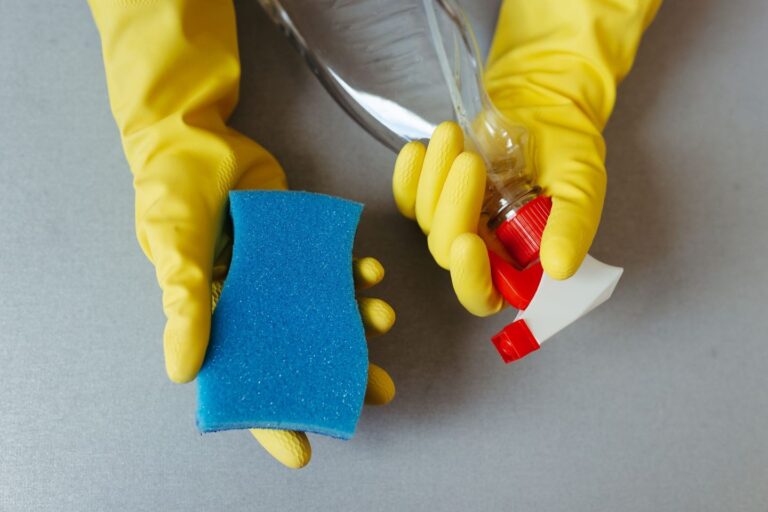
Choose gloves that are compatible with the cleaning product and long enough to protect against splashes. Follow fit, use, and disposal instructions for protective equipment. Keep other people and pets away from the cleanup area and avoid spreading contaminated dust or debris through the home.
Choose a compatible cleaning method
For suitable hard surfaces, EPA describes scrubbing with detergent and water and drying completely. Porous or absorbent materials can be harder to clean and may need removal or specialist assessment. A stain-removing spray is not proof that contamination inside a material has been resolved.
If using a commercial product, read its intended surfaces, hazards, ventilation requirements, dwell time, and rinsing instructions. Do not select a product merely because it contains a particular ingredient or because the label promises an instant visual change. This article does not endorse a tested mold-removal brand.
Match brushes and cloths to the surface

A small detail brush may reach a suitable tile joint, while a softer tool may be needed for a coated fixture. Aggressive bristles or abrasives can damage grout, sealants, and finishes. Test and follow material-care instructions rather than scrubbing harder whenever a mark remains.
Keep cleanup tools separate from ordinary kitchen and personal-care items. Follow guidance for cleaning or discarding contaminated materials and equipment. Do not dry-brush mold in a way that spreads dust, and do not use an ordinary household vacuum as an improvised remediation tool.
Do not improvise chemical or steam combinations
Never mix bleach with ammonia, vinegar, or other cleaners. Follow product labels and do not apply one chemical over residue from another. Natural ingredients and essential oils are not automatically safe, effective, or compatible with the surface.
Do not combine a mold spray with a steam cleaner as an unverified ‘double treatment.’ Heat, chemical residues, surface damage, and exposure all need consideration. A household steam cleaner is not a universal solution for mold in grout, walls, or other porous materials.
Use moisture-control equipment correctly

A working exhaust fan can help remove moisture, but it must be appropriate for the room and vent as designed. Follow its operating and maintenance instructions and local installation requirements. Have electrical work performed by a suitably qualified person.
A dehumidifier may help when needed, but it must be used in a location permitted by its instructions, away from splash hazards, with safe electrical connections and correct drainage. Empty and clean its collection system as directed. It cannot repair a leaking pipe.
Recheck the cause, not only the appearance
After an appropriate cleanup, dry the area fully and watch for returning moisture or growth. Seek further help if the problem returns or its extent is uncertain. Do not promise a mold-free bathroom because a surface looks lighter after spraying.
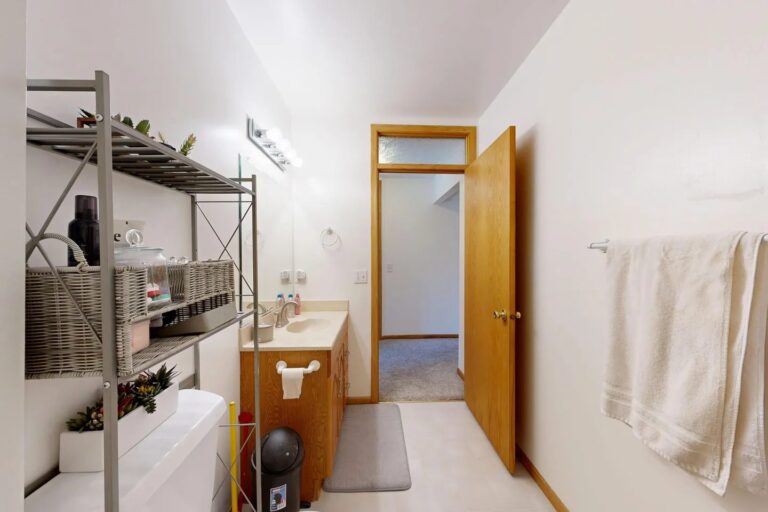
The existing organizer searches below are storage categories, not mold-removal tools or verified products. Keep shelving and bins clear enough to inspect and dry surfaces. See EPA’s mold cleanup guidance, EPA’s moisture guide, and CDC’s cleanup precautions before starting.
Amazon category searches
Optional browsing links. Check the specific listing, dimensions, materials, instructions, and current terms before buying.