Storage Bins for Kids’ Toys: What to Look For
The best storage bins for kids’ toys are the ones that suit the toys, the room, and the child using them. This roundup compares storage types, not individually tested products or current retailer listings. No live price, stock, durability ranking, or universal best buy has been verified. Use the criteria below before following an optional category search.
Disclosure: These links open Amazon search results. They are optional browsing suggestions, not verified product reviews or price/availability checks.
Best starting point: simple open containers

For toys used daily, a suitable open basket or bin can make returns straightforward. Choose a size and filled weight the child can manage and a material suited to the contents and age of the user.
Tradeoff: open storage does not keep out dust and can become a mixed dumping place. Give each container a broad, recognizable category and leave room for easy returns.
For visible contents: clear bins
Clear sides can help identify categories without opening the container. They may suit small sets or mixed pieces when the material, lid, and dimensions are appropriate.
Tradeoff: seeing through a bin does not make a deep pile easy to search. A shallow container or a few broad divisions may work better. Check edges, handles, closing mechanisms, and any age-related instructions on the specific product.
For cube shelves: fitted fabric or rigid bins
A bin made to fit an existing shelf can group larger categories while using the available opening. Measure the actual internal space and check the bin can be pulled out and returned easily.
Tradeoff: a full cube can be heavy or hide forgotten contents. Use labels and keep frequently used toys reachable. Follow the shelf manufacturer’s installation and restraint instructions, and do not treat the unit as climbing equipment.
For small parts: shallow divided storage
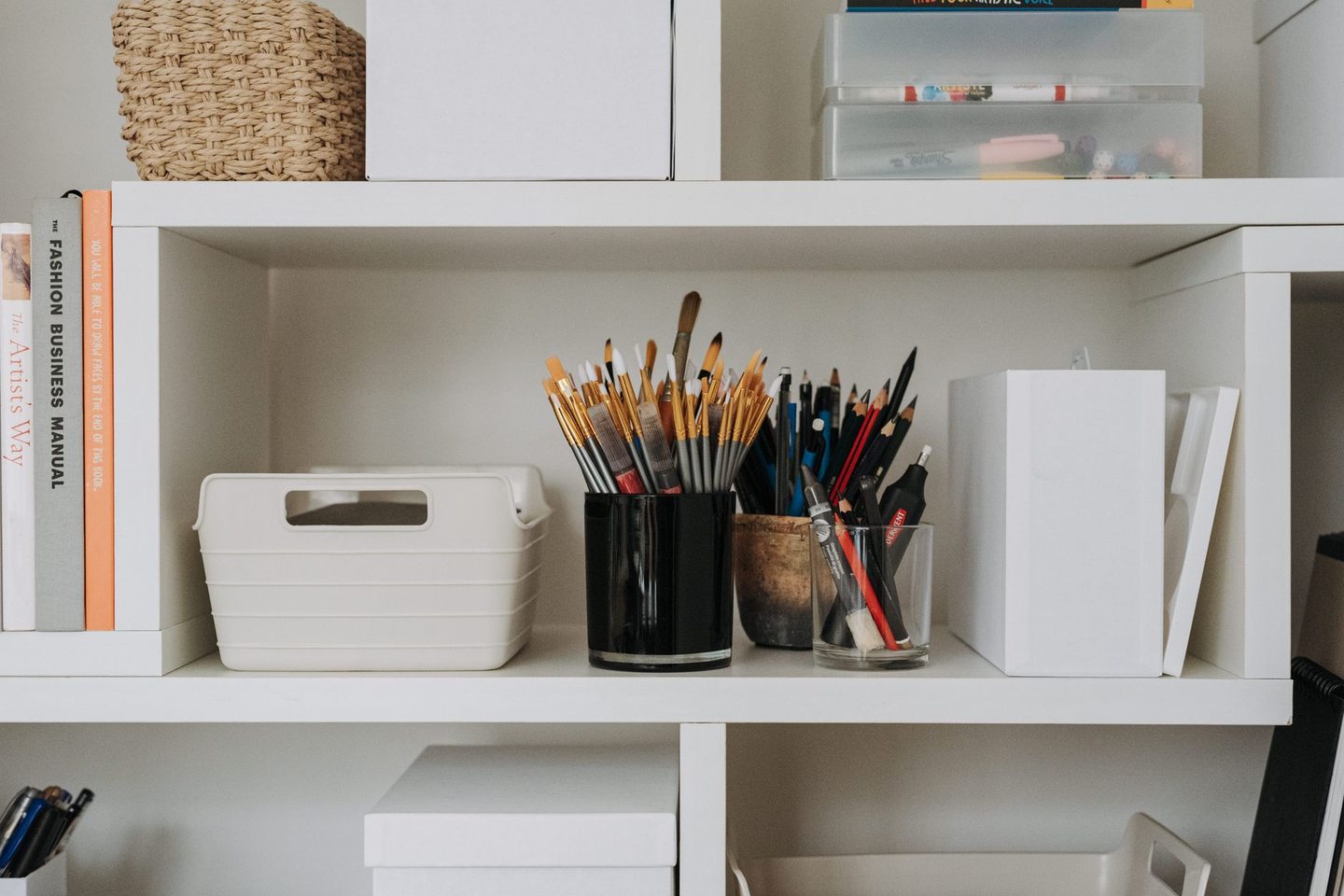
Suitable trays or drawer sections may help builders find pieces without emptying the whole collection. Sort by categories the child understands rather than creating a detailed adult system.
Tradeoff: more compartments mean more sorting. Keep small parts away from children who should not have access to them and follow toy age guidance. An attractive organizer does not remove the small-parts risk.
For occasional use: lidded containers
Lidded boxes can group seasonal or stored toys when they close without crushing the contents and fit the storage location. Make sure toys are clean and dry as their care instructions require.
Tradeoff: lids and stacking can make access difficult. Check the actual product’s warnings and suitability for child use. Do not assume any large household storage container is appropriate as a toy chest or safe for a child to enter.
Check the room, not just the bin
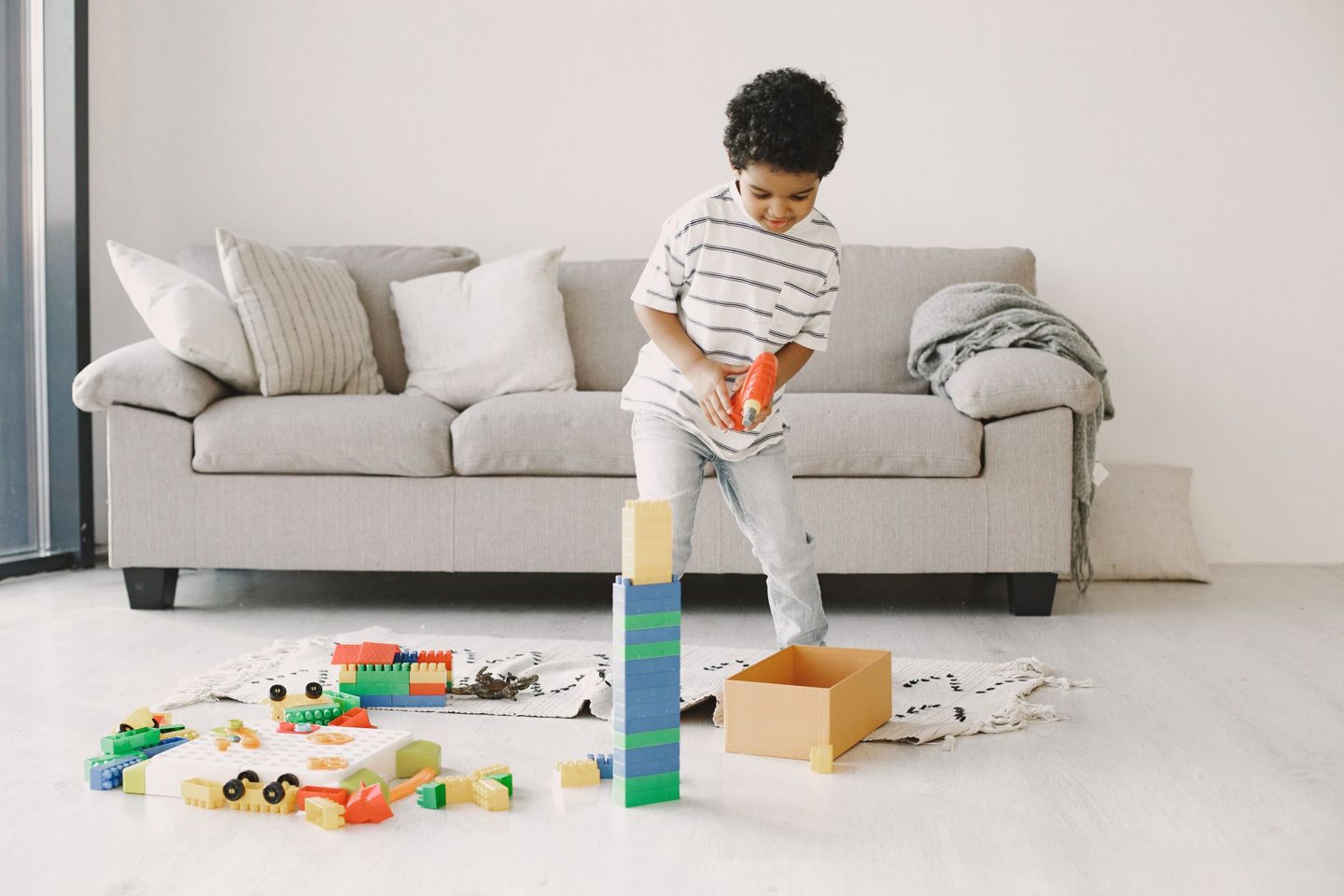
Measure the storage opening, removal space, and filled weight. Keep heavier items low and routes clear. Stack only when the products and shelving allow it. A high shelf may suit adult-controlled storage, not independent child access.
Wall pockets and hanging organizers require suitable fixings and load limits. Avoid glass jars or fragile repurposed containers for routine child handling. Stop using damaged storage and follow product instructions.
Buy fewer categories and test them
Sort toys with their owner before buying. Keep favorites and respect meaningful possessions. Toy rotation is optional; it does not need a fixed number of bins or a promised effect on engagement.
Try one container for one category and observe an ordinary play-and-cleanup cycle. Can the child find things and return them without a complicated packing task? Adjust before buying a matching set.
Before purchasing a specific listing, verify internal dimensions, intended use, material, warnings, care instructions, price, delivery, and return terms. The linked searches are browsing aids, not endorsements of every item they show.
Amazon category searches
Optional browsing links. Check the specific listing, dimensions, materials, instructions, and current terms before buying.